English
 Lietuvių
 Polski
 Русский
© 2020, Made with passion by ITMAN.
Visos teisės saugomos


from €49 per person
Route of the excursion: Vilnius – Coastal region (Klaipėda – Mosėdis).
Two-day tour.
The price shown is for a group of 10 people.
The price includes: guide services.
Transport, food, accommodation and other services – for an extra charge.
Day 1
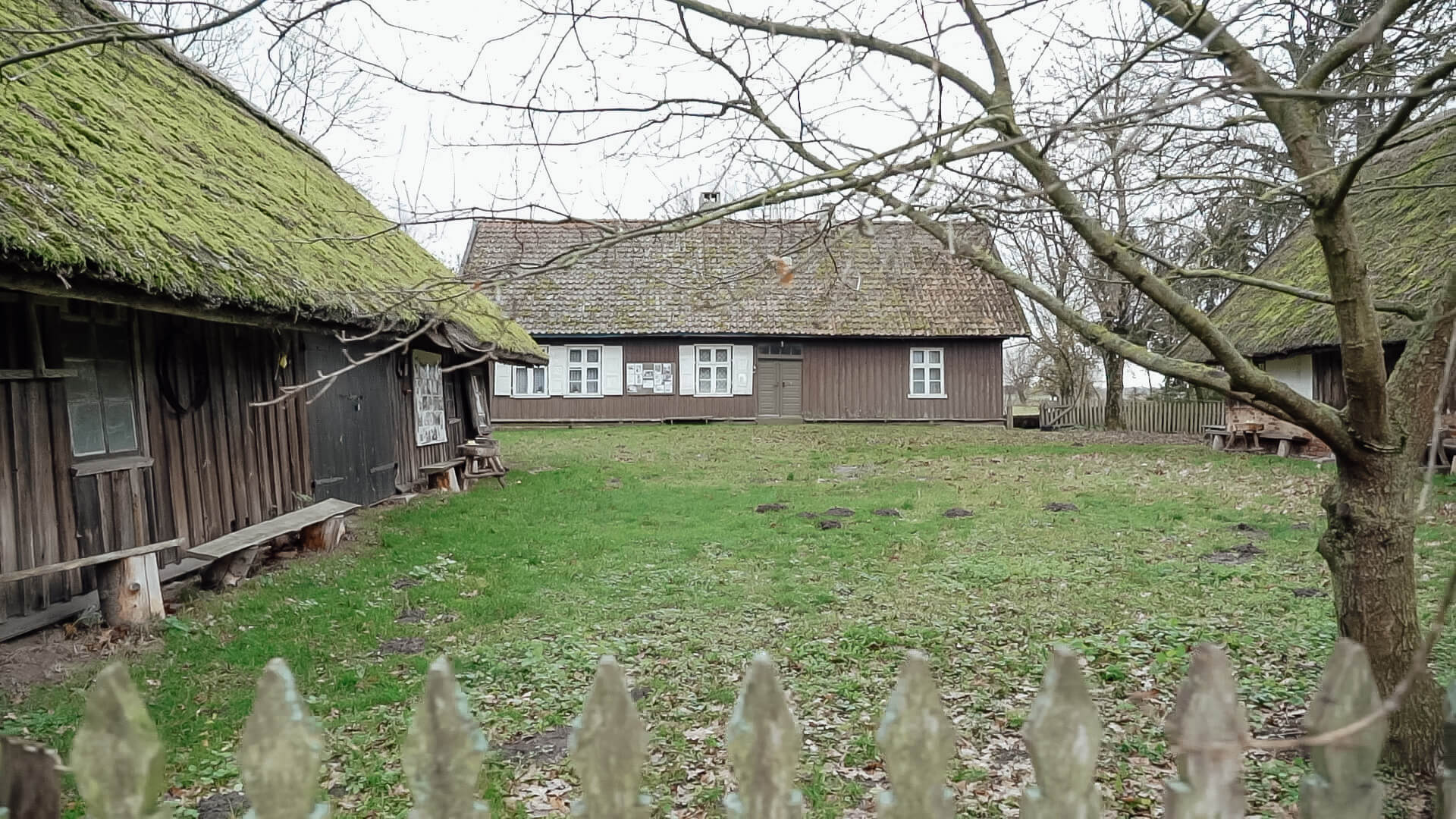
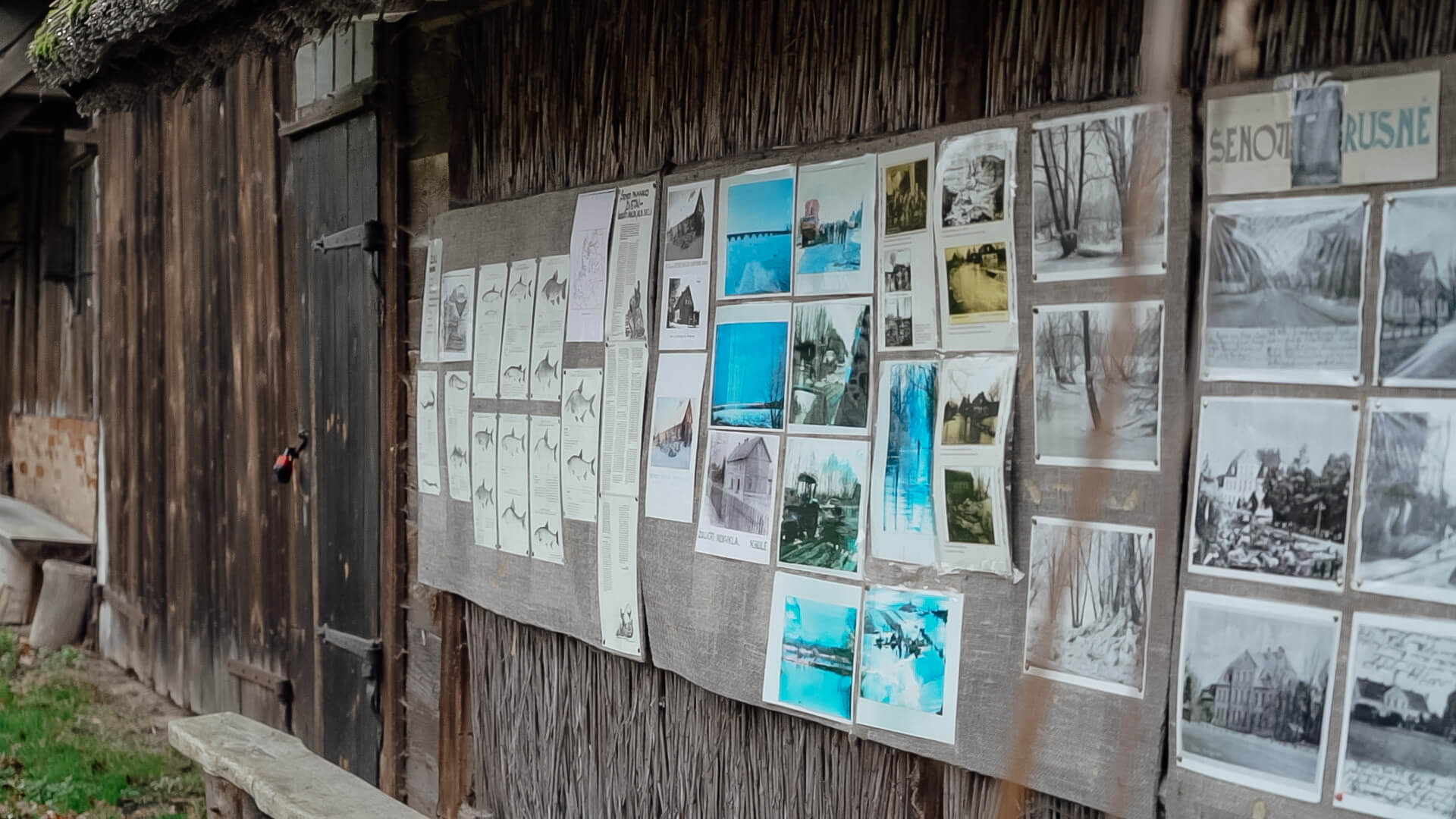
Leaving towards the coastal area early in the morning. Going to the Coastal Region. First visit is to romantic Mingė (Minija) village, which is called the “Lithuanian Venice” thanks to its unique landscape. A boat trip in the Nemunas delta and Curonian Lagoon. A suggestion to taste chowder, traditional local dish. Then going to Rusnė, the only town of Lithuania on an island. (Ethnographic fisherman’s farmstead, if possible). Going to Ventės Ragas, the beloved place of nature lovers. Ornithologist will tell about bird ringing in a very interesting way. Visit to a lighthouse functioning for a hundred years. Then going to Klaipėda. Free time and overnight stay at hotel in Klaipėda.
Day 2
Breakfast. Tour of Klaipėda: Theatre Square, John’s Hill, “The Arch” – amonument to the united Lithuania, Liepų str.: Neo Gothic Post Office and Carillon, Sculpture Park, Lietuvininkai Square. Going to Mosėdis. On the way a stop for lunch. Tasting Samogitian dishes in HBH restaurant. Arriving at V. Intas Stone Museum in Mosėdis. Going home towards nightfall.
Coastal region, Klaipėda and Mosėdis
Uniqueness of Lithuania Minor is conditioned by natural conditions, as it is territory by the sea having spent several hundred years under German rule. Arriving to Lithuania Minor one notices different architecture – the relic of German culture – fachwerk style atypical in other regions of Lithuania, weather wanes, cemeteries with specific tombstones krikštai and others.
Samogitia is an ethnic region in the northeast Lithuania, an especially beautiful area. It is famous for its estates, hilly relief, dramatic history and specific dialect. Undoubtedly, it attracts by its proximity to the sea with white sand beaches and extremely beautiful coastal nature. The history of Samogitia is truly dramatic and moving. For centuries, it served as a shield protecting Lithuania against Teutonic Knights attacks. Officially, Samogitia was part of the Grand Duchy of Lithuania since 12the century, and after Grunewald battle in 1422, the German order finally confirmed by Melnas treaty the fact that Samogitia is part of GDL forever.
Coastal region is exceptional by nature variety and complicated history; it still fosters culture of ethnic regions of both Lithuania and Lithuania Minor. Coastal region includes western part of Šilutė by the Nemunas River and Curonian Lagoon, Žalgiris forest and Rusnė Island, Ventė and Kintai.
Ventė is mentioned in Teutonic Knights chronicles since the 14th century. Teutonic Knights castle was built there in 1360. Now it is a village in Šilutė region by the Curonian Lagoon, in the cape called Ventės Ragas. In 1929, ornithologist Tadas Ivanauskas founded Ornithological Station with bird catchers, in which birds are watched and ringed. Every spring millions of rooks, storks, starlings, larks, ducks, eider ducks and other birds migrating between summer and winter habitats perch here to rest. They are caught by nets and ringed. Red brick lighthouse was built in 1852 instead of a wooden one. Beautiful spiral stairs of cast iron lead to the third floor, where the beacon is installed.
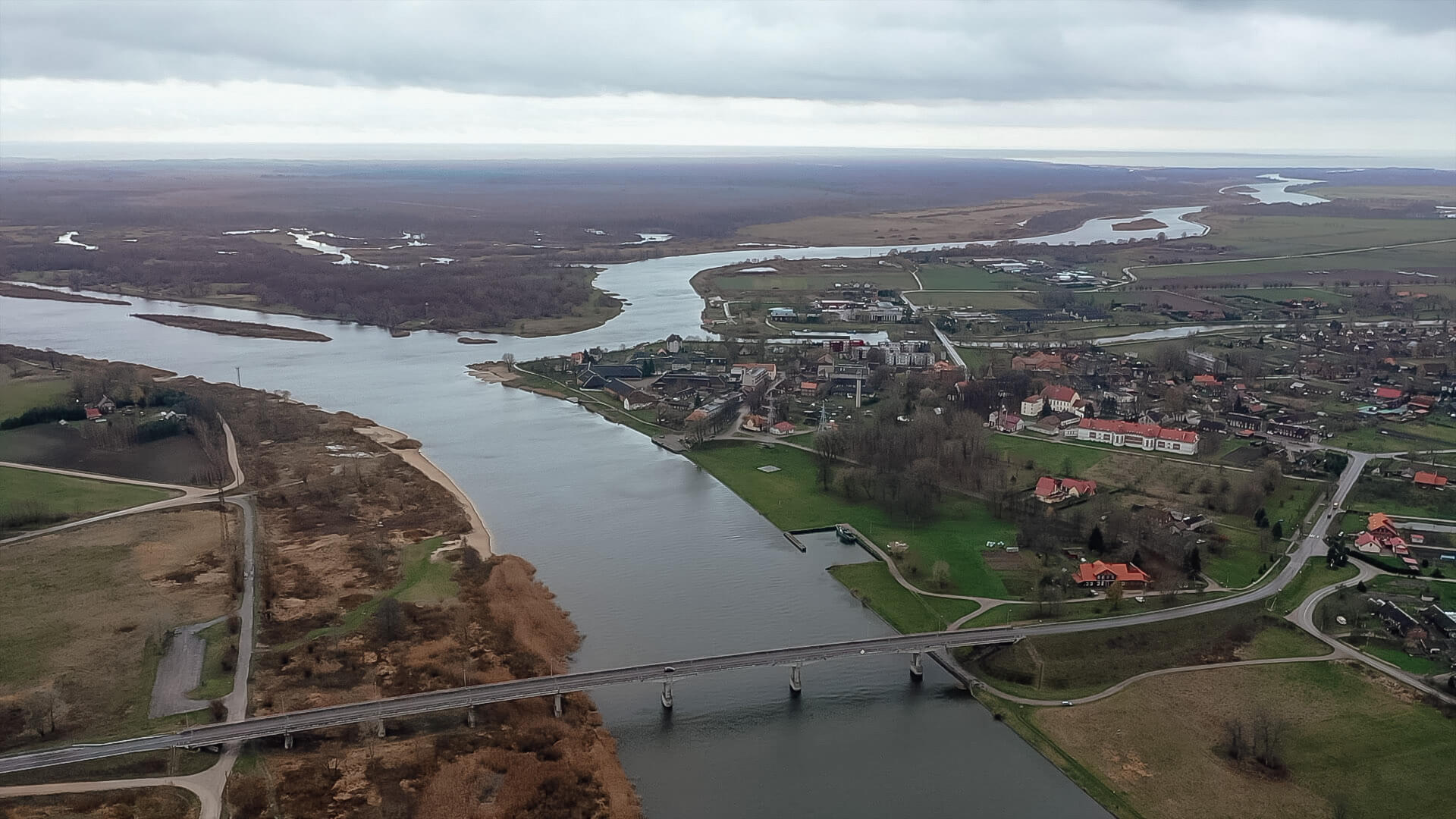
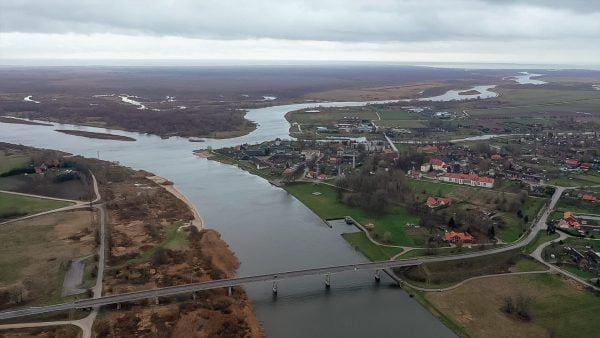
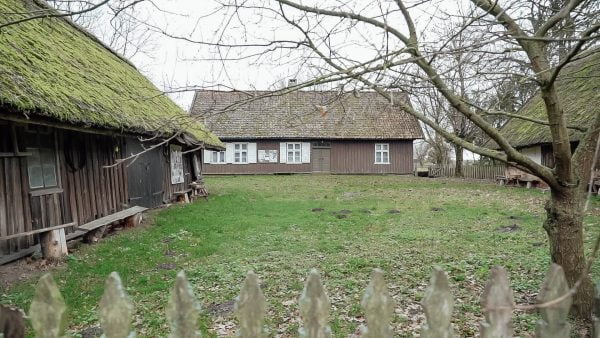
Rusnė is a small town of Šilutė region situated on Rusnė Island in the delta of the Nemunas River between Atmata and Skirvytė Rivers. It is a unique area of nature. The settlement is accessed crossing a modern bridge over the Atmata. It belongs to the flooded zone protected from floods by artificial banks; there is polder system constructed with 20 water-lifting stations. There are many architectural and engineering monuments: old fishermen’s villages, ethnographic farmstead of a fisherman-museum, Rusnė Evangelist Lutheran Church.
Minija or Mingė is a fishermen’s street village 7 km distance from Kintai. Houses are situated on both sides of the Minija River. It is the only village with river instead of a street, however, there is no bridge over the river.Because of its unique beauty it is also called “Lithuanian Venice”. There is quite a number of old fishermen’s houses and farmsteads. Fishermen of Minija used to fish in the best areas of the Curonian Lagoon, in the migration sites of salmons, sea trouts and eels. Good communication with Rusnė, Ventės Ragas, Nida and others by waterways. Green and water tourism is intensely developed in recent years. There is marina for yachts and motorboats.
Klaipėda is the oldest city of Lithuania with rich history. Livonian Order built the first wooden castle at the mouth of the Danė River in 1252. This fact is considered the foundation of Klaipėda. Later a brick castle was built called Memelburg. Memel is German for the Nemunas River. Later the city was named Klaipėda. The city and its region were ruled by Germans for 500 years. Settlement around the castle developed into town. However, fate was not favourable for it. It burnt many times, was plundered by wars, rulers changed. Until WWI Klaipėda belonged to Germany. On January 9, 1923, there was an uprising, and Klaipėda with its region were joined to Lithuania again. On March 22, 1939, Hitler came to Klaipėda by ship and declared from the theatre balcony that Klaipėda region would belong to Germany forever. Klaipėda suffered a lot during WWII.
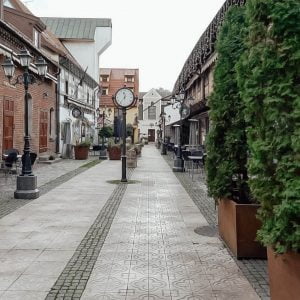
The Old Town is the part of the city on the left bank of the Danė River. Many structures here are fachwerk type, when a wooden frame filled with bricks and stones supports all the building and roof. The Old Town is small and cosy, decorated by a number of merry sculptures.
Theatre square is the heart of Klaipėda city, where city events and festivals take place. It was rebuilt after the great fire of 1854, and Neo Classicism style theatre was built instead of the former Classicist one. The main element of the square is sculpture of Annie of Tarau and a fountain surrounding it. It is a monument to Klaipėda-born poet, professor of Konigsberg University Simon Dach, who became famous in Germany, Austria, Switzerland by a love song “Annie of Tarau”, and the bells of Munich Town Hall still play the melody.
Neo Gothic Klaipėda Post Office and Carillon. Central post office was built in 1893. The complex consists of three buildings, and central two-story building with attics is post office. In 1987, concert bells (48 in total) were installed in the Post Office tower. Carillon music is performed every Saturday and Sunday.
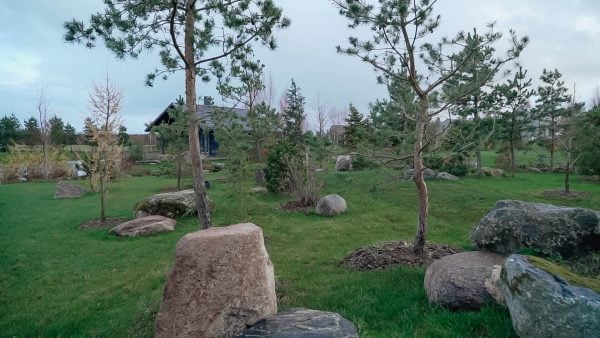
Mosėdis is one of the most beautiful, tidiest and most frequently visited small town of Samogitia, also called the Capital of Stones. Now it is difficult to distinguish, where the town starts and where the territory of unique stones museum ends. Doctor V. Intas started the museum. In 1979, when the unique stones museum was opened there were 5000 boulders from various places in Lithuania. Republican V. Intas Stone Museum is in a restored water mill building with chamber exposition (3 halls) and field exposition laid in the valley of the Brtuva River, covering 14.5 ha territory. One can get acquainted with possibilities of using stone (the mill itself, grindstones, stairs, tables are made of stone). 200 boulders of ice age grouped according to the origin location are displayed among the park greenery. Museum dendrological collection contains over 17 especially rare plants. “Stone Museum and beauty of Mosėdis is my gift to my native land. It was a passionate hobby…” V. Intas.